As the Bible Society of the South Pacific continues its mission of translating and sharing God’s Word across the Pacific, a powerful and deeply meaningful ministry is quietly transforming lives among the Deaf communities of the region. Beyond printed Scriptures and spoken languages, a growing Sign Language Bible Translation initiative is opening doors for Deaf people in countries such as Solomon Islands and Kiribati to encounter the Gospel in a language that speaks directly to their hearts.
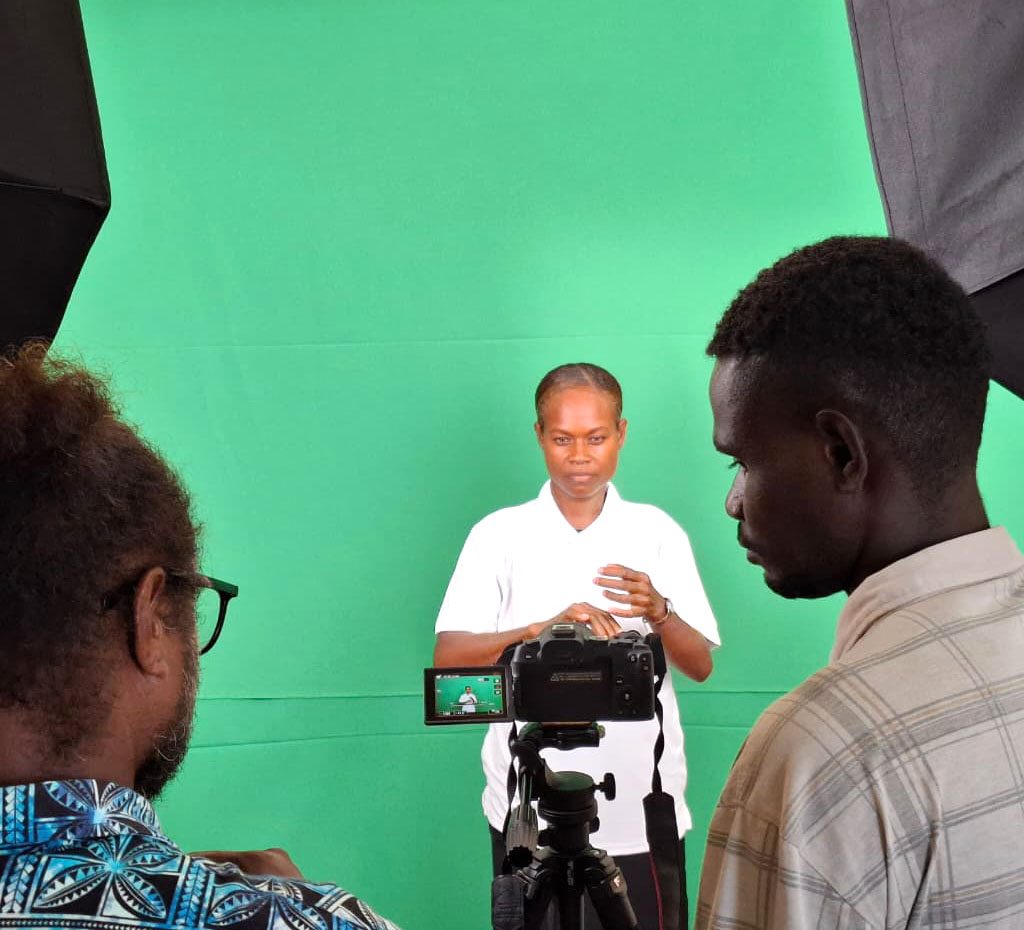
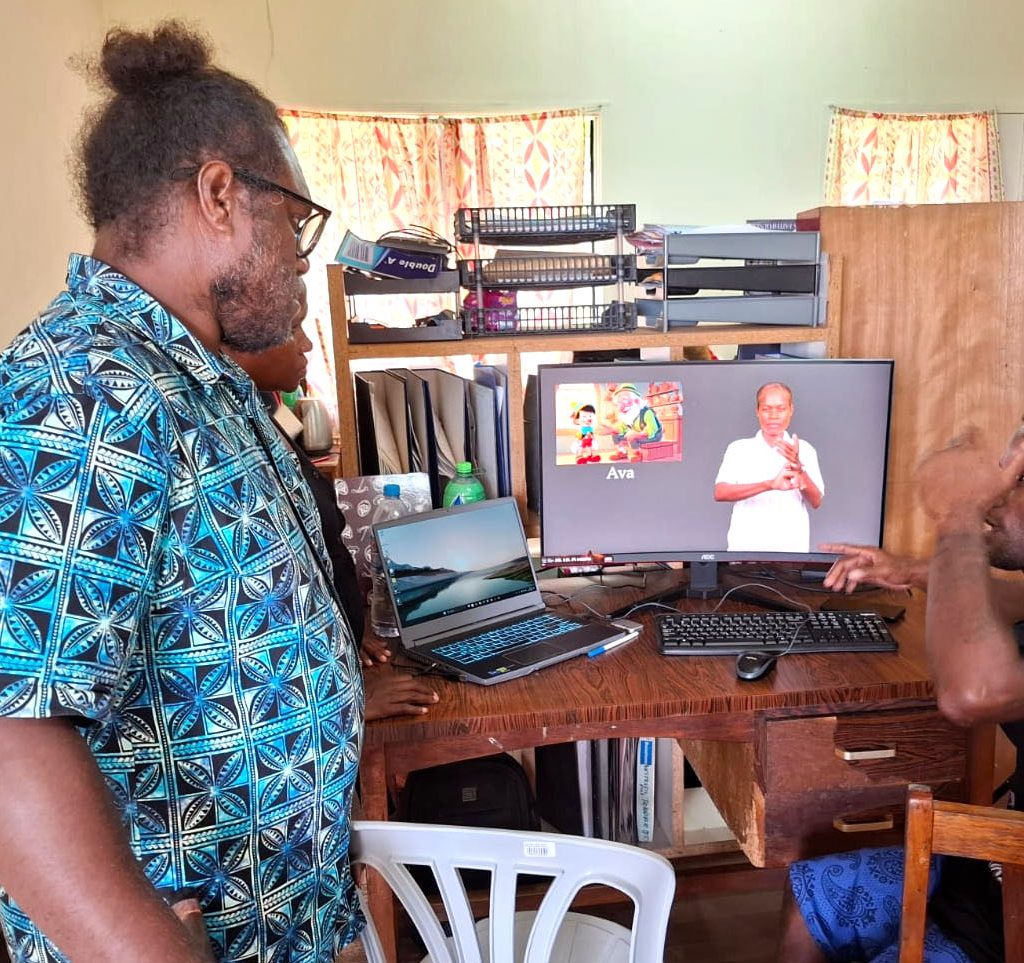
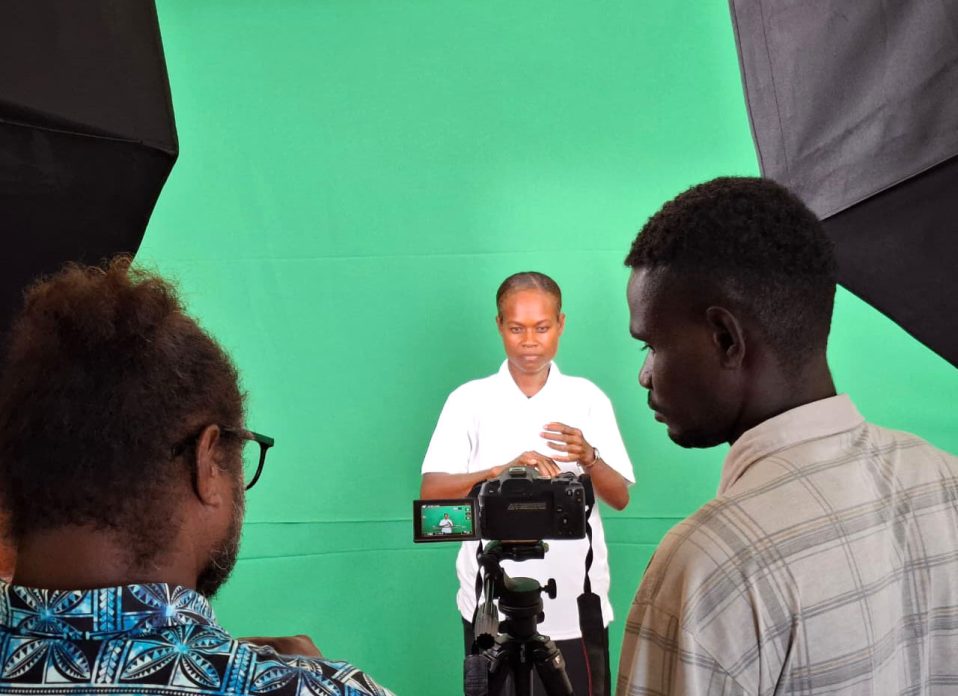
One of the most touching moments from this ministry recently came from the San Isidro School for the Deaf in the Solomon Islands. A volunteer visited the school and showed students and teachers a sample of the newly translated Scripture video in Sign Language. The response was emotional and deeply encouraging. Students and teachers shared how clear, engaging, and easy the video was to understand. For many of them, it was the very first time they had ever seen the Word of God presented in their own sign language.
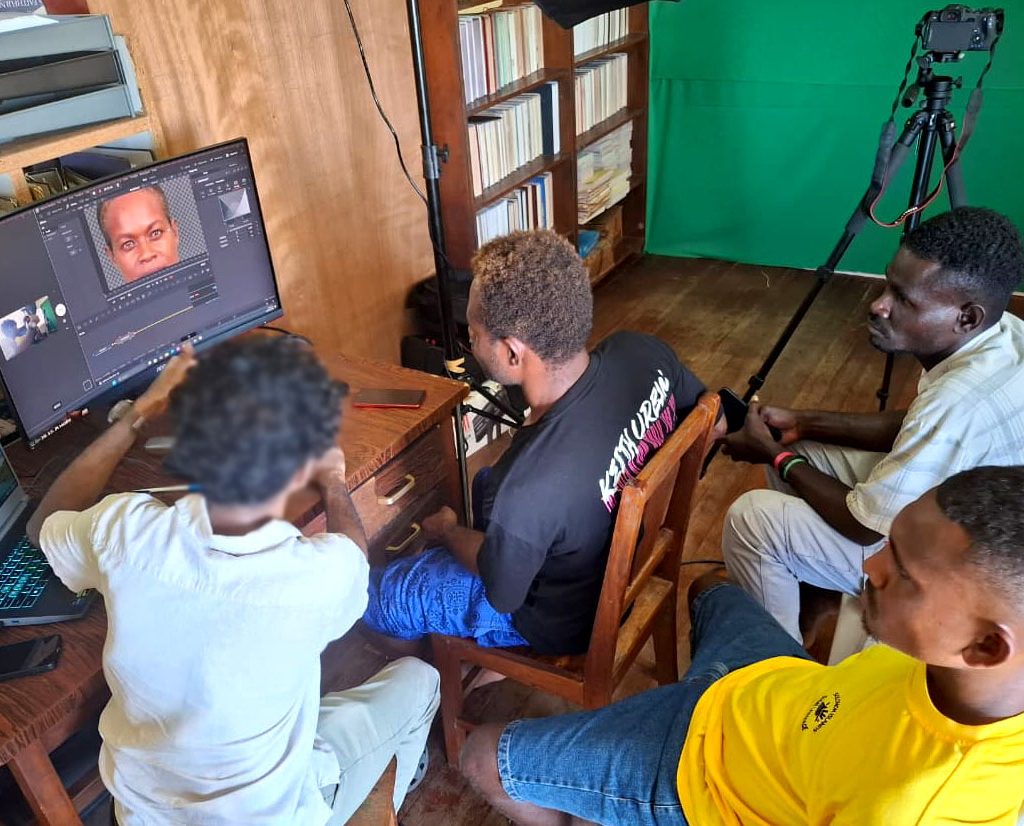
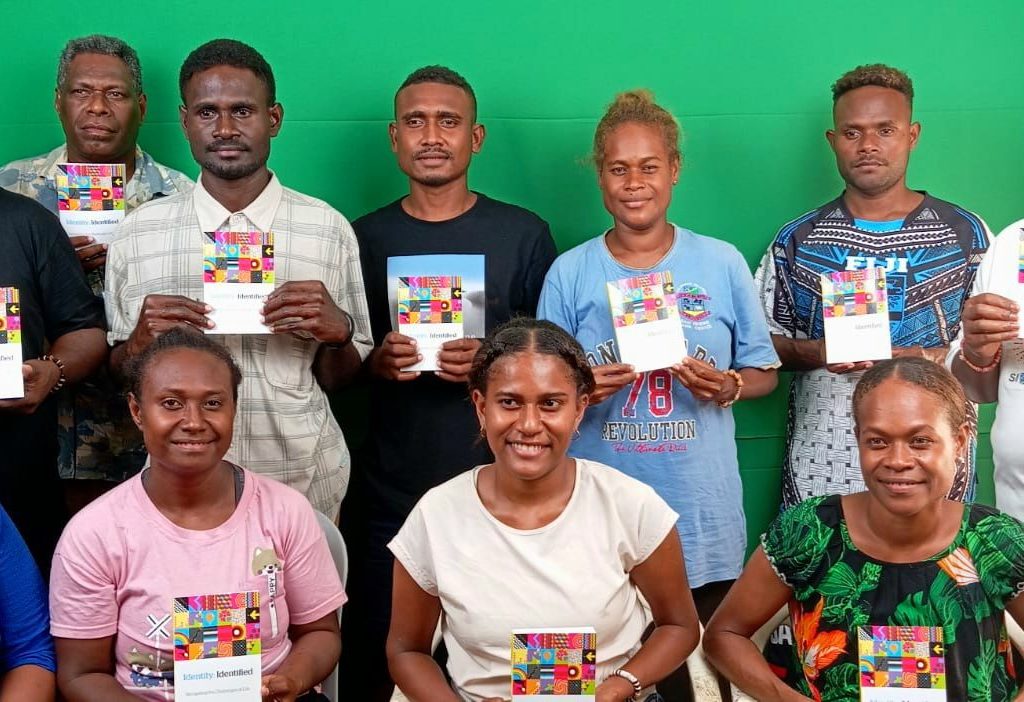
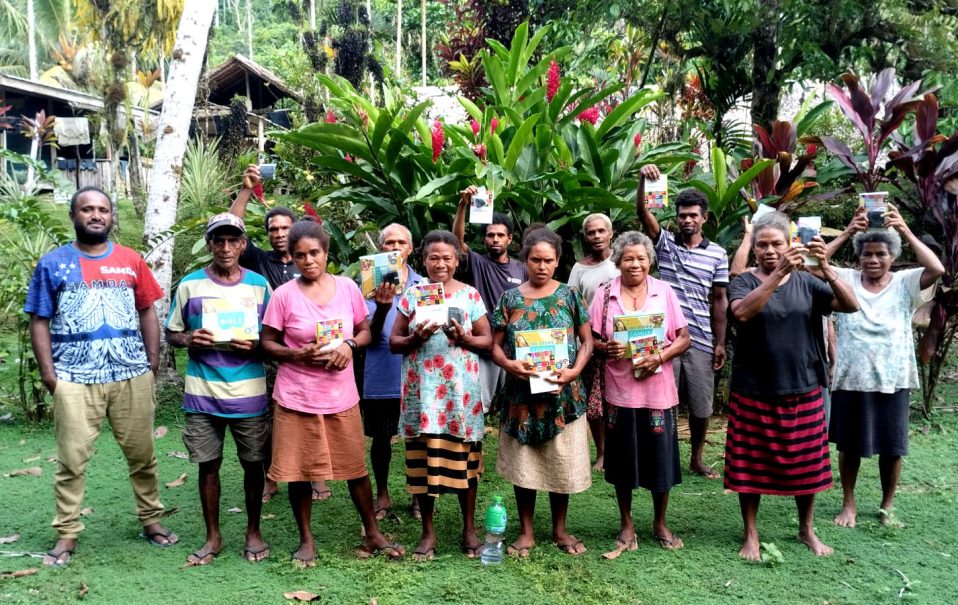
The partnership between the Bible Society of the South Pacific and Bible Society Solomon Islands continues to play an important role in strengthening this ministry. Through the provision of Identity Identified Bibles and other essential translation resources, translators are being equipped to better understand and communicate the biblical message accurately and faithfully. These resources help ensure that Sign Language translations are not only linguistically correct but also culturally meaningful and spiritually impactful for Deaf audiences.
This work is not simply about translating words. It is about restoring belonging. It is about affirming that Deaf communities are seen, valued, and included in God’s story. By investing in Sign Language Bible Translation, the Bible Society is helping create a future where Deaf individuals can worship, learn, and grow spiritually without barriers.
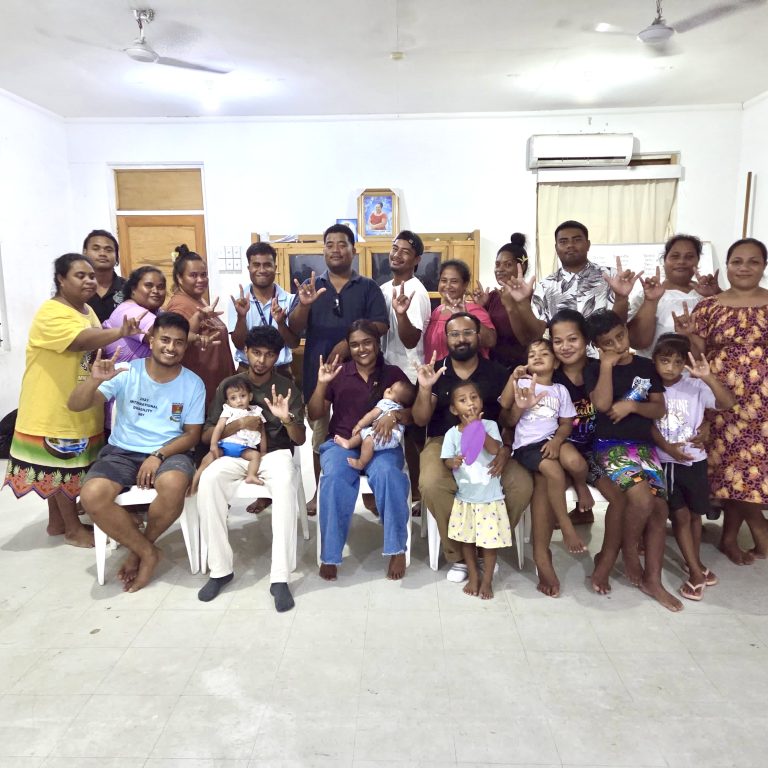
The response from the community was overwhelmingly positive. Community members expressed strong support for the initiative and shared that they viewed the project as something deeply personal and close to their hearts. There was visible unity and cooperation between churches, the Deaf Association, and interpreters — a beautiful sign of shared vision and commitment. The evening concluded with fellowship over dinner, strengthening relationships and building hope for what lies ahead.
For many hearing people, access to Scripture is often taken for granted. Churches preach weekly sermons, Bibles are available in different languages, and audio resources are easily accessible. But for many Deaf communities across the Pacific, understanding Scripture has remained a challenge for generations. While written text exists, Sign Language is often the first and most natural language for Deaf individuals. Without Scripture in Sign Language, many have never truly experienced the Bible in a way that fully connects with their identity, emotions, and understanding.
One Deaf teacher, who also appeared as one of the signers in the Scripture video, expressed how meaningful the experience was for the school community. The use of visual storytelling, signing, and pictures together helped make the biblical message come alive in a way that felt personal and understandable. Excitement filled the room as viewers realized that God’s Word was no longer distant or difficult to follow — it was now speaking directly to them in a language they could fully embrace.
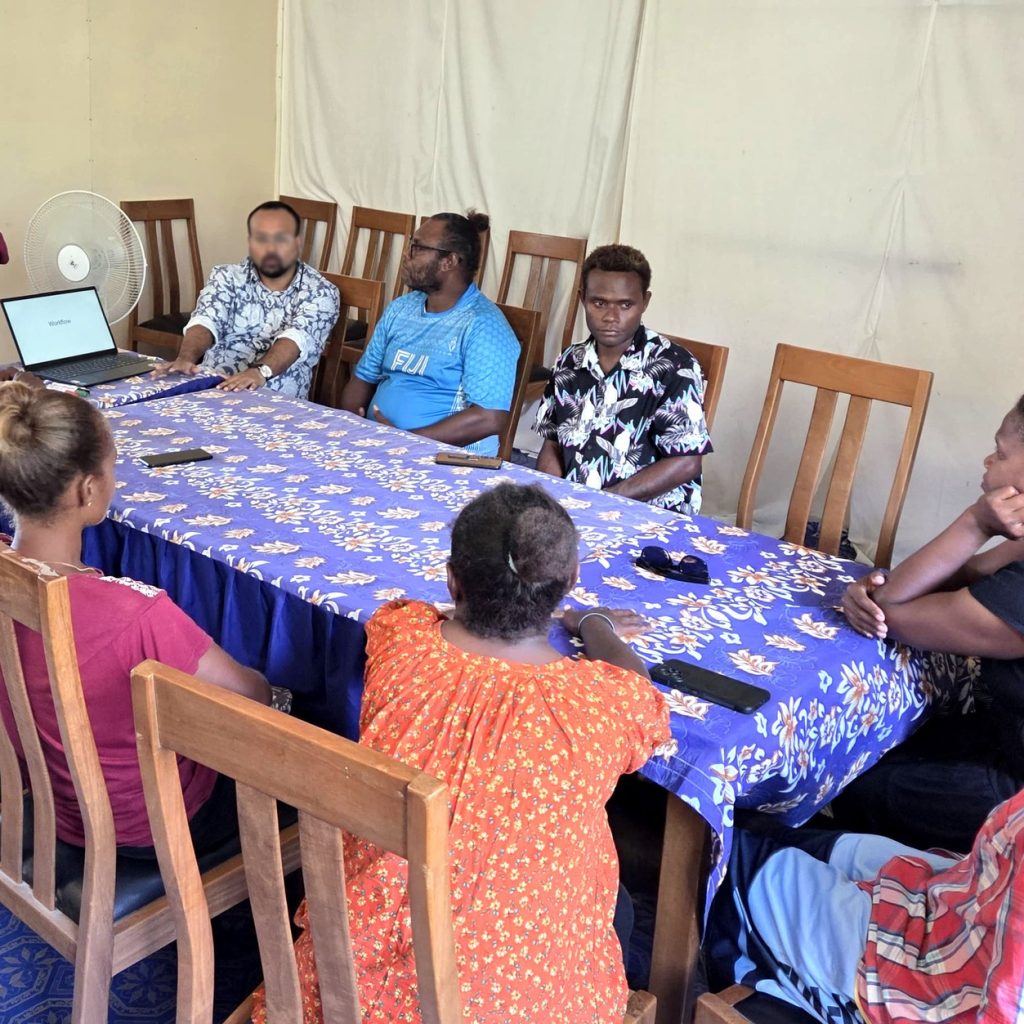
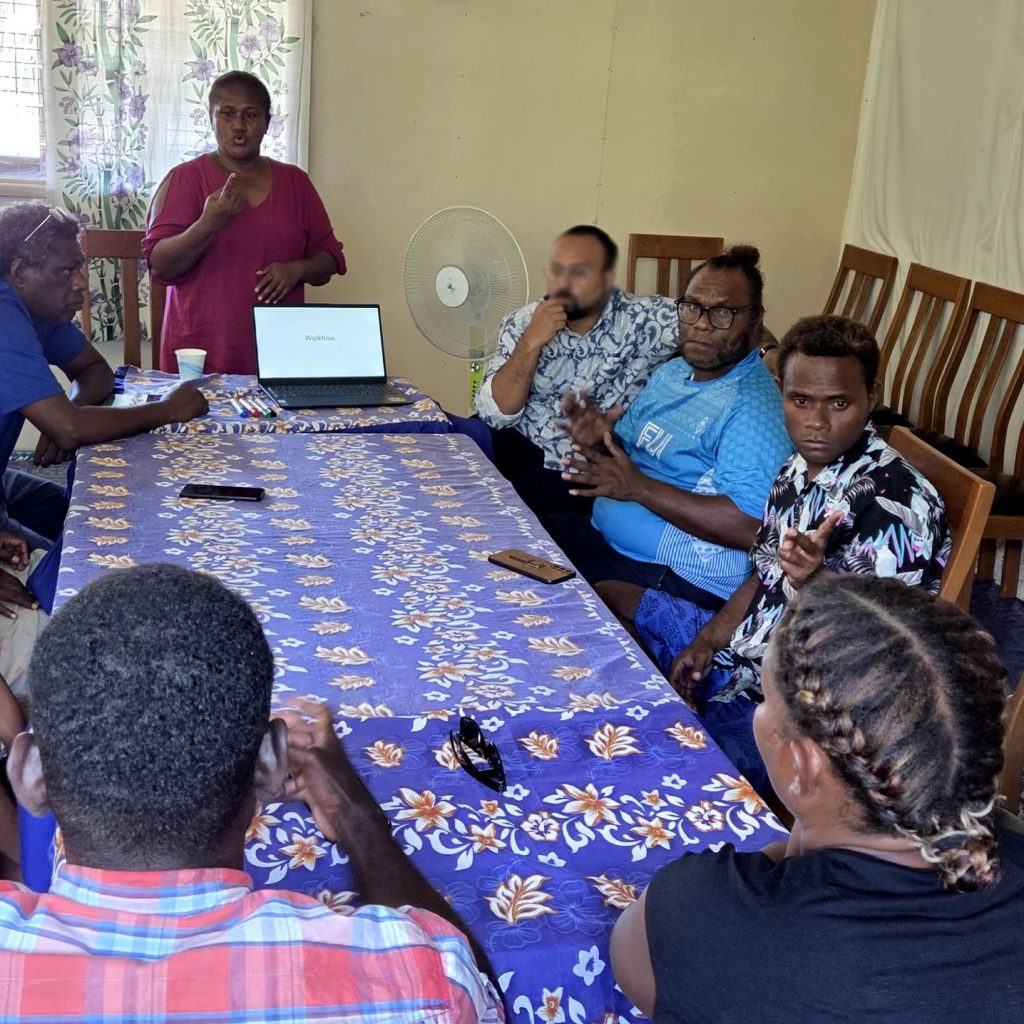
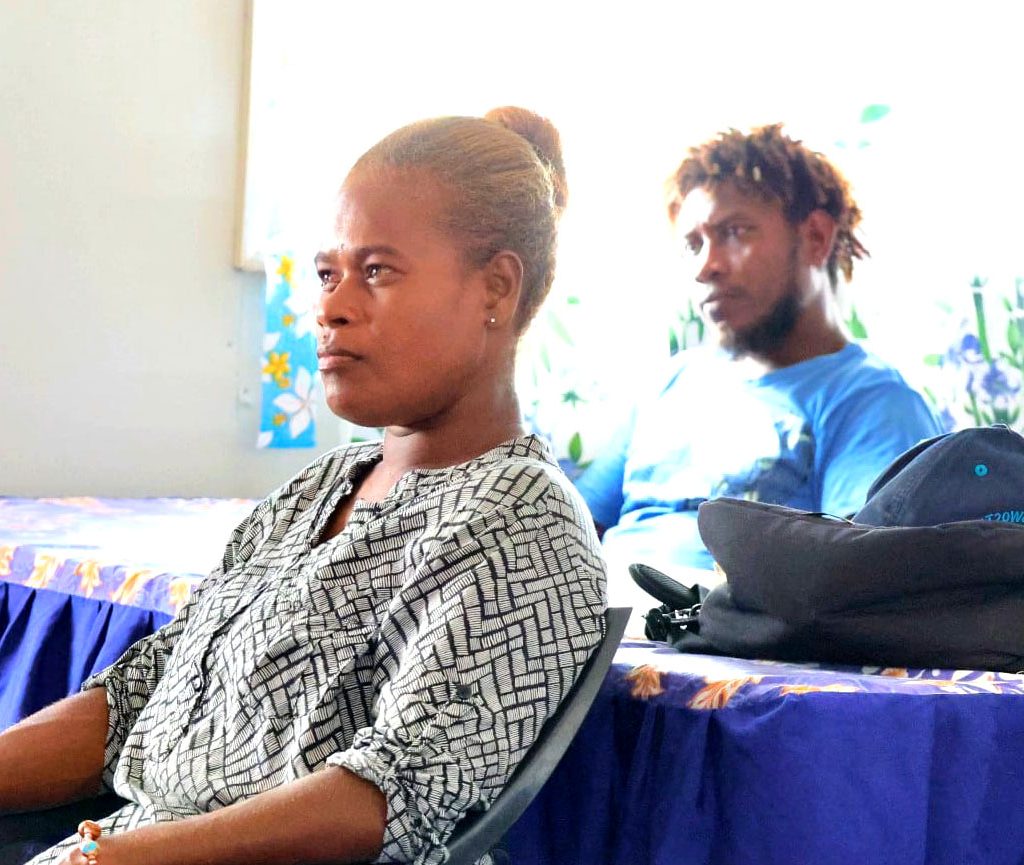
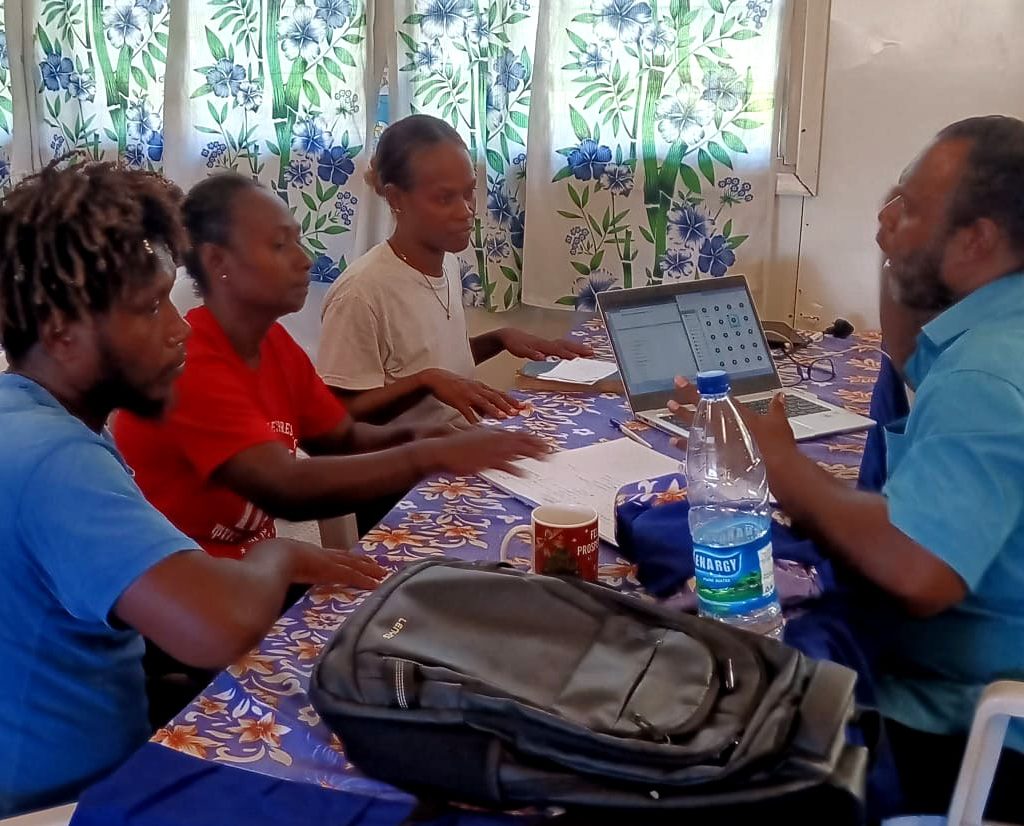
Similar encouragement is also emerging in Kiribati. According to an update shared by Jobin Johnson, the team recently held a community meetup with the Kiribati Deaf Association and members of the Kiribati Interpreters Committee. The gathering provided an opportunity to introduce the new Bible Translation initiative in Kiri-Sign and encourage collaboration among all stakeholders involved in serving the Deaf community.
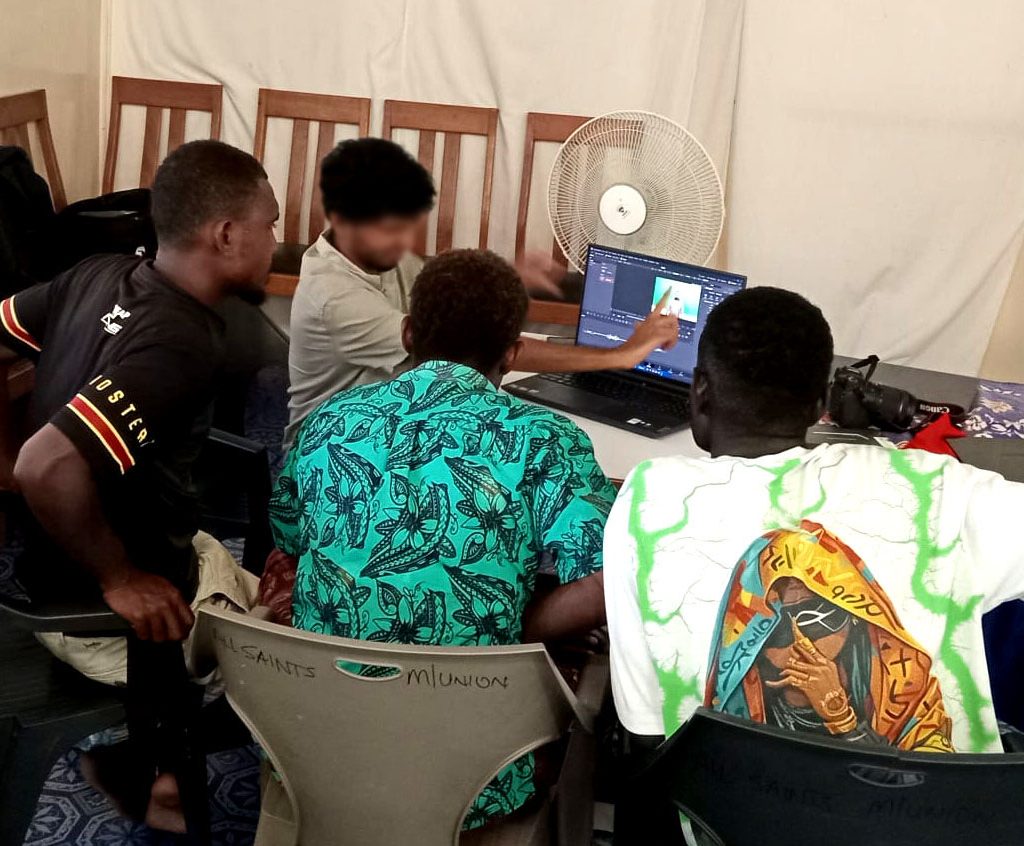
Despite the excitement, the work also comes with many challenges and prayer needs. Team members are still learning the complex process of translating Scripture into Sign Language. Although Sign Language is their own language, quality Bible Translation requires careful practice, accuracy, theological understanding, and ongoing review. There is also a growing need for support for volunteers, including transportation and meal allowances, as many faithfully give their time and energy to the ministry.
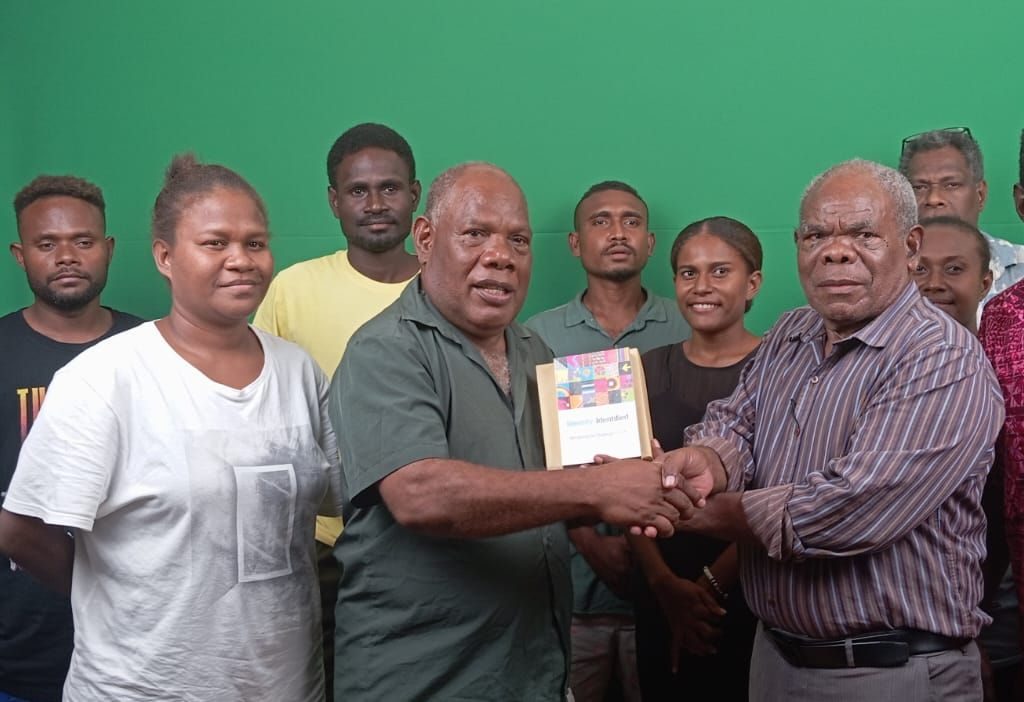
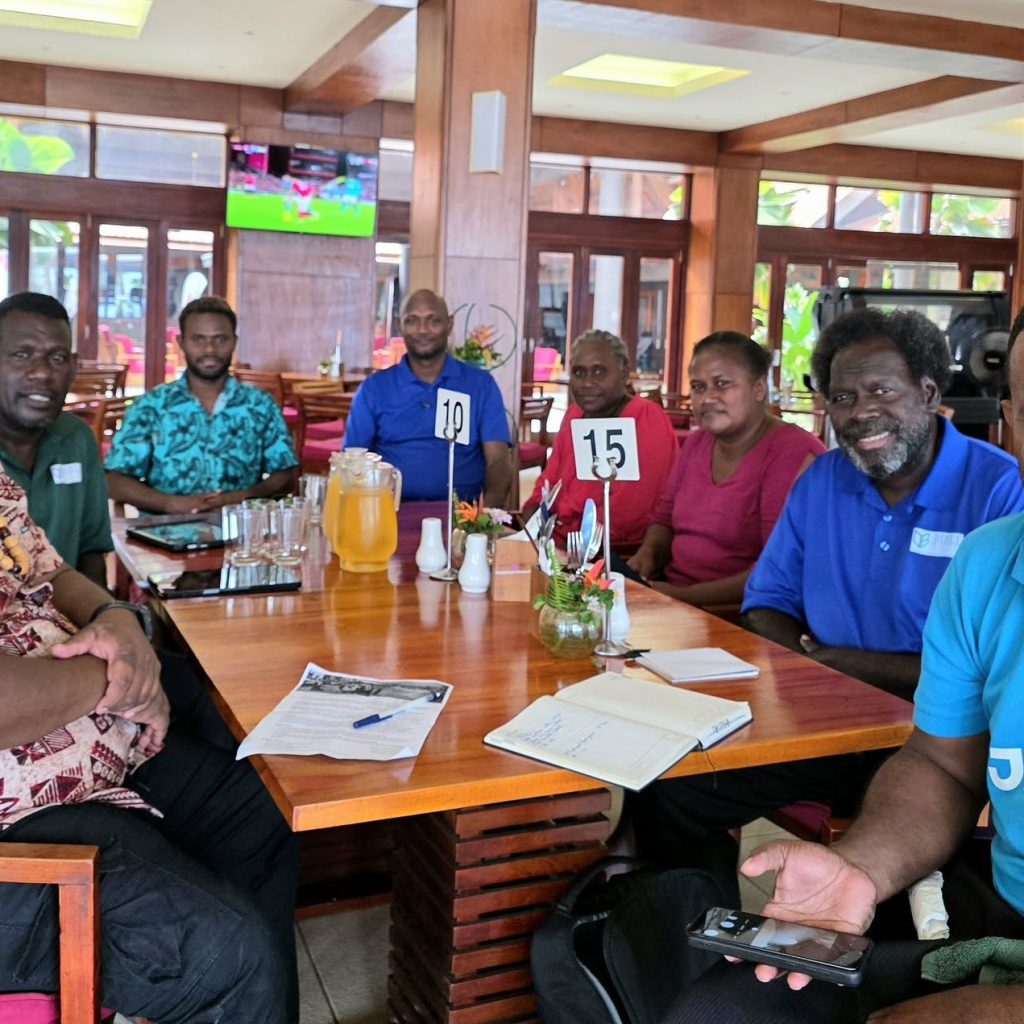
The response from the community was overwhelmingly positive. Community members expressed strong support for the initiative and shared that they viewed the project as something deeply personal and close to their hearts. There was visible unity and cooperation between churches, the Deaf Association, and interpreters — a beautiful sign of shared vision and commitment. The evening concluded with fellowship over dinner, strengthening relationships and building hope for what lies ahead.
Despite the excitement, the work also comes with many challenges and prayer needs. Team members are still learning the complex process of translating Scripture into Sign Language. Although Sign Language is their own language, quality Bible Translation requires careful practice, accuracy, theological understanding, and ongoing review. There is also a growing need for support for volunteers, including transportation and meal allowances, as many faithfully give their time and energy to the ministry.
Prayer is also requested for continued collaboration between church leaders, Deaf associations, interpreters, and quality assurance teams. There is a strong vision among the team members to see Deaf communities transformed and saved through the Word of God in Kiri-Sign. Plans are also underway for local teams to eventually manage and sustain the ministry themselves, ensuring long-term impact within the community.
Across the Pacific, God is moving in powerful and unexpected ways. In classrooms, community halls, churches, and translation workshops, hands are now telling the story of Jesus. For the Deaf community, this ministry is more than translation — it is recognition, inclusion, and hope. Through the faithful efforts of the Bible Society of the South Pacific and its partners, the message is becoming clear: God’s Word belongs to everyone.
Recognizing this need, the Bible Society of the South Pacific has partnered with Bridge Connectivity Solutions and Global Partnership to help move forward the work of Sign Language ministry and Bible Translation in the Solomon Islands and Kiribati. This collaboration represents more than a project. It represents dignity, inclusion, and the belief that every person deserves access to God’s Word in a language they understand best.





Post a comment